
The rummy card room
Pick a table by the cards you want to play. Compare the Indian 13-card game with gin for two, or sit down to a short practice hand.
Choose your table
Three ways to recognise a rummy game
Rummy is a family of games in which a hand improves when its cards form combinations. To identify the version your friends remember, ask what they do with a completed combination. One player might quietly slide it to the left of a thirteen-card hand. Another might count the loose points and knock. A third might put the cards face up for somebody across the table to extend. Each is describing a different way to play.
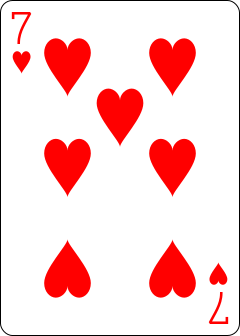
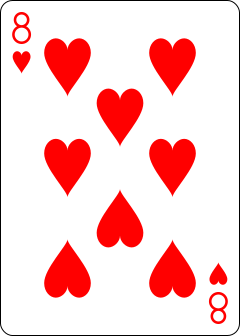
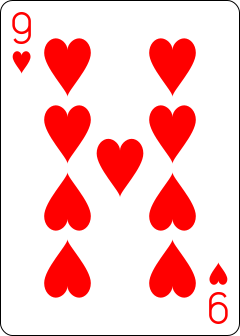
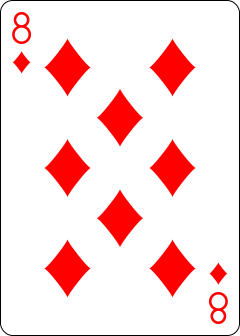
Put the seven, eight and nine of diamonds on the table as a starting example. In Indian rummy the three can meet part of the arrangement you eventually declare. In gin they reduce the value of the unmatched cards by twenty-four if all three would otherwise be loose. In Rummy 500 they can begin earning points in front of you during the deal. The suit and ranks are identical in all three cases. The timing of the play changes what the cards are worth.
For a group choosing its game, that timing is more helpful than the name printed on a box. People who enjoy finishing a large arrangement in private may favour Indian rummy. People who want to challenge the other player’s hand before all their own cards match may enjoy gin. If several friends like watching new plays appear on the table throughout a deal, the shared display in 500 gives them something to follow between turns.
| Indian rummy | 13 cards · declare all cards in valid groups |
|---|---|
| Gin rummy | 10 cards · knock or go gin |
| Rummy 500 | Meld to the table · keep a running score |
Choose a game that fits the number of seats
Two players can use almost any quiet surface for gin. Each has ten cards, the stock and discard pile sit within reach, and there is only one opponent whose decisions change the next turn. It is a good choice for a pair who enjoy remembering which cards each player has accepted or passed. A finished hand also lets the pair discuss the defender’s reply before the next shuffle.
With three players, think about whether everybody wants to join every hand. Three can play Indian rummy together, and Bicycle's version of 500 deals seven cards to each member of a group of three. Three people who particularly enjoy gin can rotate, with two playing while the third deals or keeps score. If someone is trying rummy for the first time, watching one complete knock can make that rotation worthwhile. If a friend may only stay for one hand, seat everyone in the same deal.
Four players make the public nature of 500 particularly noticeable. Before your turn comes round again, three other people can expose groups or extend a run you hoped to use. In an Indian game with the same four seats, the discards are visible while the opponents’ growing groups remain private. Pick according to which changes the group likes watching. A larger table alone need not dictate the style.
Match the pack to the chosen deal
A pack count only makes sense alongside the hand size and player count. Four Indian hands of thirteen require fifty-two cards before anyone has drawn. A single ordinary pack would leave nothing for a working stock or a first discard. That calculation explains why the Indian setup used on our rules page calls for two packs and their jokers for a group of three to six.
The arithmetic looks different for three playing Rummy 500 with Bicycle's rules. Seven cards for each player use twenty-one, so one pack leaves plenty of room for a stock and visible discards. Gin starts with twenty cards between two opponents. One ordinary pack is enough there too, but the printed jokers come out before dealing. A player accustomed to a joker on every Indian table could easily overlook that change.
If the packs for a two-deck game have different backs, a player will know which pack a face-down card came from. For a casual teaching exercise that may matter little. Equal-looking backs are the better choice when everyone wants the stock to reveal as little information as possible. Check the packs after the session as well. Putting the wrong jokers away with the wrong cards is a small mistake that can change the setup at the next gathering.
What can other players see?
The table layout determines how much you can learn while waiting for a turn. With concealed hands, an opponent’s choice of discard may be the only immediate clue to what they are trying to assemble. With exposed melds, you can inspect the run itself and judge whether the card you hold can extend it. One style rewards attention to the previous few turns. The other also invites a fresh look at the whole table before every draw.
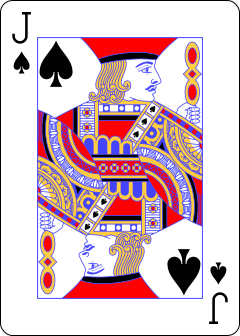
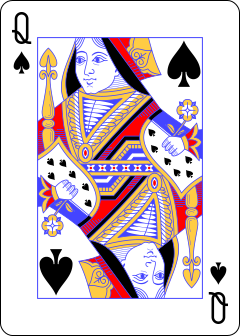
Picture an open run ending at the jack of spades. You hold the queen of spades and a queen of hearts. In an open game that permits layoffs, one of those queens already has a place, and choosing to play it may allow a king of spades to follow later. In Indian rummy you cannot simply put a loose queen onto an opponent’s hidden sequence. The same queen may still help you privately if a third queen arrives in a different suit.
There is a practical difference in the room each format needs. Concealed Indian hands leave most of the table clear apart from the stock, discard pile and joker indicator. A game of 500 can spread towards the edge as players lay out more combinations. Before dealing, give each seat enough space for its own scoring cards. A queen placed in the wrong person’s area can affect two totals when the deal is counted.
For someone learning suits, a face-up example allows useful discussion. Lay four cards in order and ask a friend to point to each suit mark, then turn the group away and play a normal deal with the version you chose. Someone who loves guessing at a concealed hand may enjoy the reverse exercise. Show the final arrangement only after they have named two plausible uses for the last card picked up.
The discard pile in Rummy 500
Rummy 500 makes the discard pile a row of decisions. A player can reach a useful card below the top by taking the cards above it too and immediately using the chosen buried card in a legal play. Following Bicycle's rules, spread the pile enough to keep its order readable. Your friends should be able to see which cards would come along with the one they want.
Suppose the ten of hearts is visible below a three of clubs and a queen of diamonds. You hold the jack and queen of hearts. Taking all three discarded cards lets you bring out the heart run immediately. The queen of diamonds and small club travel with it. If you already have two queens of other suits, the diamond may help as well. If the next player goes out, any extras you still hold affect your hand score.
Try the decision a second time with the ten directly on top. You gain the same run without acquiring anything else. Now move it farther down and place two more cards over it. These small changes produce a useful table exercise because the legal combination never changes. What changes is the cost of reaching the ten and the number of new options or loose cards waiting in your hand afterwards.
Choose a stopping rule before shuffling
The stopping rule decides who can leave the table with a complete result. One independent Indian deal works when two people are waiting for friends and want to finish before changing seats. A limited number of deals suits a group who want the same number of scored hands for everyone. A target game suits players happy to keep dealing until somebody reaches a named result.
Two words can prevent an awkward misunderstanding here. A hand is the packet of cards each player holds, and in conversation it can also mean one deal. A match might contain several such deals. When someone suggests a “short game”, agree whether they mean one declaration, two deals, one complete dealer rotation or a score target. Four players can complete one deal and still be three deals away from giving everybody a turn as dealer.
For a group with a genuine time constraint, agree beforehand how to treat a match still running when the host needs the table back. One home arrangement is to finish the current deal and record the standings as they are. Another is to put the score sheet aside and resume the same target match on another day with the same players. Choosing the second option makes a record of the starting dealer and next seat particularly useful.
Keeping a mixed-experience group involved
A useful first round gives each player a specific decision they can explain. For a group learning Indian rummy, ask each person to identify one possible natural run in a face-up teaching hand. Then deal new hands for normal play. In gin, allow the observer to total the two deadwood counts after a knock. In 500, have a newcomer check that a player taking a buried discard also takes the cards resting on it.
If two tables are available, organise them around the experience people want. At one table, let players expose a disputed combination and discuss whether the ranks join properly. At the other, play the agreed number of deals straight through. People moving from the teaching table then know when they can ask for a second look and when decisions belong to the player taking the turn.
A friendly competition across both tables needs more agreement. Use the same scoring convention, give each table the same deal count and write down how a tie works. If a final brings two players across from each table, say whether the final begins from zero. Bringing scores forward recognises earlier play, while starting afresh gives every finalist the same position. Announce the choice while the seats are still empty so nobody has to decide it after seeing who qualified.
Where to start with the cards in front of you
Start with the particular move you want to understand. A player staring at thirteen cards and wondering which one to discard will get more from a worked Indian deal than from comparing match formats. The thirteen-card page follows that decision through actual draws. When the confusion is about two cards trying to use the same seven, the sequence examples let you set out the groups and test both arrangements.
For a disagreement over a hand total, the points examples show the cards that still count and the effect of adding a second sequence. For two friends switching to gin, its page explains what happens after the knock, including cards the defender can place on a shown group. A Hindi rules page is available when it is easier to discuss a move using familiar names for the cards and suits.
Someone practising alone can use the small browser exercises to recognise a run, a set or a missing card. On returning to a physical pack, rebuild one of those groups and change the suit of just one card. Ask yourself whether the group still works and whether a joker would genuinely fill the gap. That exercise travels well between versions because it tests the pattern on the card faces before you deal with the version-specific question of when it can be played.
Frequently asked questions
What is rummy?
Rummy is a group of games in which you organise cards by rank or into consecutive cards of a suit. The version you choose determines when your groups become visible to the other players and what ends a deal.
How many types of rummy games are there?
There is no agreed count because a named version can have several local forms. To try three different playing styles, compare a thirteen-card declaration, a two-player knock and the face-up combinations in Rummy 500.
What is the difference between gin and rummy?
Gin is a particular form of rummy. Two people play with ten cards apiece and may knock before every card is matched. Players asking for Indian rummy usually expect thirteen cards each and a complete hand to show.
How many cards do three players get in Rummy 500?
Give each person seven under Bicycle's published deal. That uses twenty-one of the fifty-two cards. Turn another card over to start the discards and leave the rest face down.
Can I play rummy without money?
Yes. Keep an ordinary score on paper and decide what will settle the session, such as the result of one deal. For solo practice here, the card exercises are free to open.