
How to play Indian rummy
Indian rummy starts with thirteen cards. Draw one, discard one and build a hand with at least two sequences, including a pure sequence.
Deal a teaching hand for two
Sit opposite a partner and deal thirteen cards apiece, one card at a time. For this lesson use two shuffled standard packs with their printed jokers. Keep enough space between the players for the drawing stock, the upturned discard and the card that identifies the wild rank. Everyone should be able to see the last two without picking anything up.
For the first walk-through, turn up a diamond ace as the indicator and set it aside. Aces can now substitute in a group under the rules of this example. The indicator stays on display. It is a reference card, separate from the exposed card that the first player can actually take. In a normal shuffled deal its rank will vary, so check it afresh each time.
Start with both hands visible if you are teaching. This lets the learner ask why a particular discard helps before anyone worries about giving information away. For the next deal, pick up your respective hands and keep them private. With just two people there is no difficulty remembering whose turn follows. With three or more, settle the direction before the first draw.
Arrange the opening cards
Begin the example with four groups. Lay out 3♦ 4♦ 5♦, then 9♣ 10♣, then Q♥ Q♦, then 6♠ 8♠ 9♠. The last three cards are 2♥, 7♥ and K♣. Count across those areas as three plus two plus two plus three plus three. You should find thirteen cards. The spaces between them represent your current ideas, so you can move a card whenever a better arrangement appears.
The diamonds already make a pure sequence. The clubs can become a second sequence with 8♣ or J♣. Your queens can receive a queen of either missing suit. Notice the exact gap in the spades. Although the six, eight and nine share a suit, the missing seven prevents all three from forming a single run. Acquiring 10♠ instead would group the eight through ten and leave the six waiting.
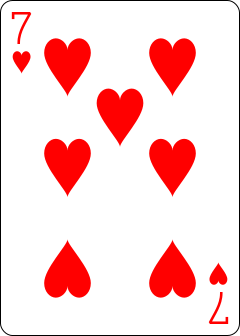
The heart seven looks tempting next to the spades because its numeral fits. Resist the urge to count it twice or ignore its suit. The wild rank for this deal is ace. A natural seven of hearts will neither fill the spade gap nor complete a group with the lone two of hearts.
Take your first open draw
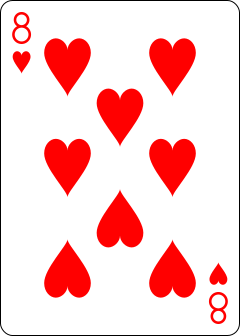
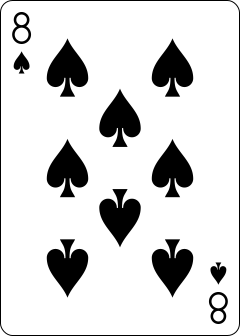
Pick up 7♠ if it is the top card of the discard pile. Slide it between 6♠ and 8♠, checking that the four cards now read six, seven, eight, nine. You had thirteen cards before the draw. While considering a discard, you have fourteen. Put 2♥ face up on the discard pile to end this turn and bring your hand back to thirteen.
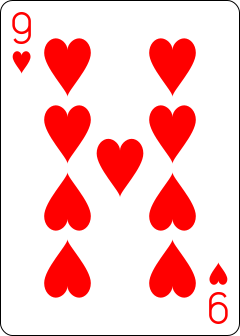
Why remove the two? In this particular layout it belongs to no pair, same-suit neighbours or completed group. The seven of hearts is similarly loose. Either could be a reasonable discard. A full game supplies other information, including earlier discards, that could separate those choices. For a teaching hand the important decision was preserving all four of the spades you just connected.
Your partner now has access to the two you placed on top. The 7♠ you took earlier is in your hand, and any cards underneath the two remain covered for purposes of the next draw. You cannot search backwards in the discard pile for something an earlier player threw away. Wait until your next turn before drawing any more cards.
Choose the stock when the upcard is unhelpful
Draw from the face-down stock if the exposed option offers little to your current hand. Suppose your partner discards 3♥. You already gave up the two of hearts. Taking this three would introduce another isolated card while the club pair and queen pair are still incomplete. Leave the three where it is and take one unseen card from the stock.
To follow this worked deal, imagine the card you turn over is J♣. Position it beside your nine and ten of clubs. You can now show a second three-card natural run alongside the diamonds and a longer run in spades. Release K♣. Although it shares the suit of your new sequence, the missing queen leaves a hole between jack and king.
This example fixes the next card so you can inspect the decision. In a freely shuffled pack the next card could be quite different. If it were an unrelated 5♥, you would have to examine the hand again and choose one discard from the fourteen. The draw is complete whether or not it improves a group. There is no second look at the stock on the same turn.
Close the hand with a set
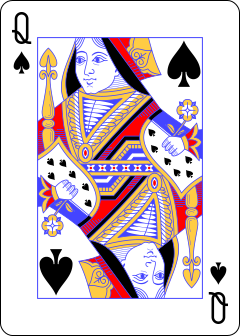
Take Q♠ on your next turn if your partner has just discarded it. Put it beside Q♥ and Q♦. The three queens now represent three different suits. They form a set, which supplies exactly the group you were missing. Discard the ungrouped 7♥ as your fourteenth card and display the remaining thirteen to declare.
Read the table from left to right. The three small diamonds are a sequence, as are the three clubs. The spades form a four-card sequence. The queens complete the set. Across the four groups you have used three plus three plus four plus three cards. None appears in two places. The requirement for two sequences is satisfied, including a sequence made entirely with natural cards.
You might ask whether the discarded seven could stay as a spare because the other cards are strong. A declaration in this Indian form accounts for every card in the final hand. A leftover card would require another turn or a different arrangement. The game ends when a player can show the whole valid hand and make the final discard required under the table rules.
Replay a decision with one card changed
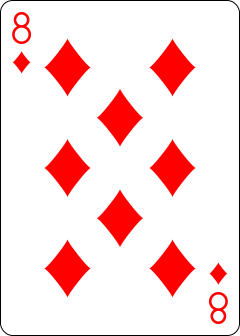
Replace the open 7♠ from the first turn with 10♠ to see why two plausible plans can develop from the same deal. Taking the ten makes 8♠ 9♠ 10♠ immediately. You could discard the six of spades and accept a three-card spade run, or retain the six, discard a loose heart and see whether a seven arrives later.
Keeping a spare six gives an opportunity to lengthen that suit but uses one of your thirteen places. Letting it go simplifies the layout, yet removes one route to an eventual four-card group. Neither choice guarantees a declaration. A useful question at this stage is which single future draw would improve each arrangement. If the answer relies on two different cards arriving in succession, that plan has more work left.
Now deal with the spade change on paper before looking at any later draws. Record the intended groups and put a small mark next to loose cards. Once you have made a discard, set that card apart. Otherwise it is easy to build a tidy example retrospectively using something you have already thrown away.
Introduce the printed joker on the next deal
Add a printed joker to an unfinished sequence to practise identifying the substituted card. Lay out 4♥, a joker and 6♥. In this order the middle piece represents 5♥. That is a valid impure sequence. A hand using it still needs a separate pure sequence as well as complete groups for all remaining cards.
Then lay out 4♥, 5♥ and 6♥ and move the joker to the side. The hearts now form their own natural sequence. Try putting the freed joker with 10♦ and 10♠. Decide aloud which absent ten it will stand for. Naming the card is a good way to notice an impossible claim, such as two cards both representing the ten of diamonds in the same ordinary set.
The turned indicator creates another familiar situation. If fives are wild and the physical 5♥ sits between 4♥ and 6♥ in its printed position, the rules used here count the run as pure. If that heart five is needed instead as a substitute for a missing spade, the resulting spade run is impure. Look at the job it performs on the table.
Check each other's declarations
Inspect the proposed declaration one group at a time, giving the person who made it a chance to explain. First ask them to point to the two sequences and identify a pure one. Then check the ranks and suits in those runs. Leave the completed groups separate so a card cannot be counted twice while you examine the rest.
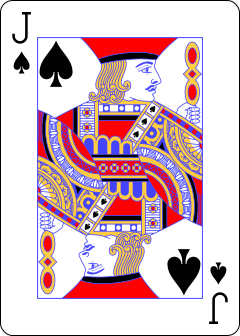
Picture cards deserve a deliberate second look. An ornate queen and an equally ornate jack can be easy to swap at a glance. An arrangement of 10♦ Q♦ K♦ skips the jack, whereas J♦ Q♦ K♦ is consecutive. In a set, three picture cards only work when they have the same rank. Jack, queen and king in mixed suits provide neither a run nor a set.
For an introductory deal, allow the learner to repair a wrongly sorted display before you discuss how invalid declarations are scored in competitive versions. Once both players can recognise a legal finish, decide on your scoring convention before dealing the next hand. Points affect the written result. They do not turn three unrelated picture cards into a group.
Adapt the deal for more players
Use the same draw-and-discard rhythm with three or four people and place the piles where every seat can see the top discard. Two standard packs with printed jokers supply cards for this arrangement. Keep the chosen wild rank visible throughout. When the table is crowded, placing each player's final groups in their own space prevents cards from neighbouring hands drifting together.
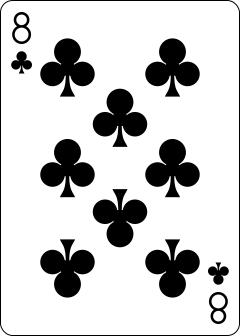
Only the player whose turn it is takes a card. Suppose Maya sits after Dev and before Isha. Once Dev drops 8♣, Maya gets the opportunity to take it. If Maya draws from stock and discards 2♦, Isha sees the two as the available open card. Isha cannot claim Dev's eight simply because it would have completed her sequence a moment earlier.
When the round finishes, exchange one observation about the decisions rather than trying to reconstruct every unseen hand. Which draw filled a genuine gap? Which discard removed a card from a possible group? For a shorter solo exercise, open the practice table and check a group there. A compact exercise isolates a single decision you might otherwise miss in a full deal.
Frequently asked questions
How many cards are dealt in Indian rummy?
This lesson begins with thirteen cards in front of each player. Only during the interval between picking up and throwing away a card does that player hold fourteen.
How do you play rummy with two players?
Sit across from one another, deal equal thirteen-card hands and share the stock and open pile. Alternate single turns until someone can present a complete declaration.
How many decks of cards are needed for rummy?
The demonstration here uses two ordinary packs and their printed jokers. Single-pack arrangements also exist for two people. Agree on the pack and wild-card rules together before shuffling.
Can you play rummy with cards at home?
Yes. Choose a flat surface with space to keep the stock, joker indicator and discarded cards separate. You can lay both hands open during a first lesson.
How do you play rummy with three or four people?
Choose a direction of play and give every player an individual hand. On each turn the open option is the top discard left by the immediately preceding player.