
Gin rummy for two
Gin rummy is a two-player game played with ten cards each. Make melds, reduce deadwood and choose when to knock.
The two-player deal
Gin rummy gives each of two players ten cards and a decision about when to reveal them. One player may close a hand while still holding a few unmatched points. The other then gets a chance to show a better count. That reply gives a deal its suspense. With both hands face down, four loose points can be a very good finish or an expensive misjudgement.
Shuffle a standard pack of fifty-two after removing the jokers. Deal alternately until both players have ten cards. Turn up the next card beside the stock. There should now be twenty cards in the two hands, one showing and thirty-one still face down. If a spare joker emerges during a teaching deal, correct the pack and start again. Every example on this page assumes that only one copy of each rank and suit is available.
Keep the packs separate if you use two to speed up dealing. One can be shuffled while the other is in use. Mixing them would allow a player to hold two identical cards and would change what can be worked out from the discards. As dealer, leave the opening card where your opponent can read its rank without picking it up. They have the first choice, even though you exposed it.
The first card and the first pass
The non-dealer can take the first visible card or pass it to the dealer. A pass leaves the hand exactly as dealt. If the dealer passes too, the non-dealer draws from the stock to begin play. Once someone has drawn, the ordinary pattern of drawing once and discarding once begins. There is no general right to skip a later turn just because the visible card is unappealing.
Suppose the dealer turns up the queen of hearts. You hold the jack and king of hearts, so the queen immediately completes a suited run. Your opponent can see you wanted a queen. They cannot tell whether it connected two hearts or joined other queens in your hand. Take it, group your hearts privately and choose a different card to put down. Once you take an exposed discard, the version played here requires you to keep it for that turn.
Change the opening card to the queen of diamonds. With the same jack and king of hearts, its rank alone gives you no run. Neither does the common red colour. If you pass, watch whether the dealer accepts it. A pickup tells you they found a use for this particular card at this point in the deal. A pass says less. A player may already have another route to a low hand or may prefer keeping their interest in diamonds private.
Finding the minimum deadwood
Deadwood is the value of the cards left after you separate the hand into legal groups. Count ordinary number cards at their printed numbers, face cards at ten and aces at one. Sets use equal ranks and runs move one step at a time through a single suit. In gin an ace can begin a run with a two and three. A queen, king and ace together leave you looking for another arrangement.
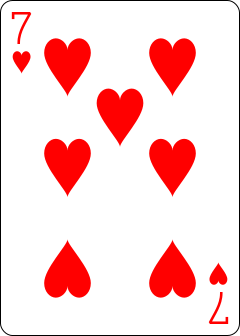
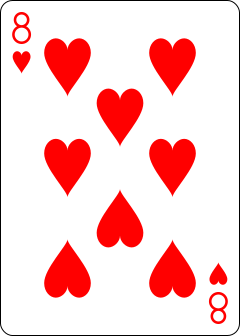
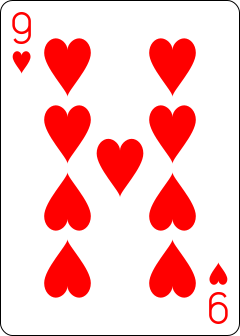
Take this ten-card hand. The clubs are the five, six and seven. The other cards are the seven of hearts, seven of diamonds, nine of hearts, ten of hearts, jack of hearts, ace of spades and two of diamonds. Try taking the club run first. The heart run remains complete, leaving two sevens, an ace and a two. That arrangement counts seventeen. Switch the seven of clubs into a three-of-a-kind and the two remaining clubs now cost eleven. Add the ace and two for a count of fourteen.
Now draw the four of clubs and discard the two of diamonds. The four, five and six of clubs form their own run. The three sevens stay together and the nine, ten and jack of hearts form the third group. Your ten cards contain just one loose ace. The deadwood has fallen from fourteen to one even though the card you discarded was worth only two. Most of that gain came from allowing two groups to exist together.
A good way to check this exercise is to set the seven of clubs aside before you begin. Arrange everything that can stand on its own, then try adding the seven to each candidate group. Count the actual loose cards after each attempt. Someone who gives the seven credit in two places will produce a very impressive count that cannot be laid out with a real pack.
Choosing a discard before a knock
A discard determines the precise ten cards you will show if you knock. Imagine you already have two completed three-card melds, one more complete run of three, an unmatched three and a freshly drawn queen. Discarding the queen leaves three deadwood and lets you knock in the standard game. Discarding the three leaves ten. Both counts qualify, but one gives the opponent considerably more room to beat you.
There are positions where the apparently dearer discard also opens a new possibility. Return to the three sevens from the earlier exercise. A newly drawn eight of clubs can give you a four-card club run if you place the seven back with its suited neighbours. It can also sit outside the groups while you preserve the set. Look at the hand after one legal discard in each arrangement. You cannot decide which line is better from the value of the eight alone.
Knocking is optional at a count of ten or below. To compare knocking now with drawing again, identify the actual cards that would help. If an exposed discard earlier in the deal was the exact six you need, there is only one copy in play. On a standard single-pack table a buried discard is unavailable on your next turn. If either end of a run is still possible, your hand has a different set of prospects. Those observations support a decision even though they cannot tell you precisely what the opponent holds.
A knock and the defender’s reply
An ordinary knock allows the defender to organise their own hand and add eligible loose cards to the knocker’s exposed melds. Picture a knocker showing the two, three and four of hearts, three kings and the seven, eight and nine of clubs. A loose six of diamonds brings the knocker’s final count to six. The defender can see the complete layout before choosing their own groups.
Give the defender the five and six of hearts, the king of diamonds and a three of spades as four loose cards. Assume their other six cards already form two groups and the exposed kings are clubs, hearts and spades. First the five of hearts extends the knocker’s run. Then the six can follow the five. The king of diamonds can join the three other kings. The defender finishes with three points. If the five of hearts were absent, the six of hearts could not jump from four to six.
The defender had twenty-four points outside their own groups before laying off. A hasty scorer comparing twenty-four with six would award the hand to the wrong player. Complete the physical moves before entering anything on the score sheet. Once the defender has finished, compare their three with the knocker’s six. The defender wins by an undercut. Cards belonging to the knocker never travel in the opposite direction to improve the knocker’s original six.
How the score reaches the pad
The lower final count wins an ordinary knock, and equal counts give the hand to the defender. Agree the bonuses in advance. For these examples, use the published combination of a ten-point undercut bonus and a twenty-point gin bonus. Write the two figures above the players’ names. That small note avoids an argument if a player has learned another standard combination.
With the defender on three and the knocker on six, the difference is three. The defending player receives thirteen after adding the undercut bonus. If both had finished with six, the difference would be zero and the defender would score ten. In the opposite direction, if a five-point knocker faces a defender left on nineteen, enter fourteen in the knocker’s column. An ordinary winning knock earns the difference on its own.
You can reconstruct a disputed entry if you leave space for the two raw counts. For example, a row showing six, three and thirteen identifies both the undercut and the exact bonus used. A row showing only thirteen cannot tell you whether somebody made an ordinary knock by thirteen or defended a knock successfully. When teaching two beginners, let the player who lost the hand talk through the marks before shuffling for the next one.
Gin after a discard and big gin
Going gin means that every card remaining after your discard belongs to a group. Try the three, four, five and six of spades, the three queens in clubs, diamonds and hearts, and the eight, nine and ten of diamonds. The four-card run, three queens and final run account for all ten. If a loose king was your eleventh card, discarding it leaves gin.
Under the rules used in this example the defender may optimise their own melds after gin but cannot lay off on the winning groups. A defender left holding an unmatched seven of spades must count seven, even though the card fits the winner’s spade run. Give that defender an unmatched ace as well and their count is eight. Adding the twenty-point gin bonus produces twenty-eight for the player who went gin.
Some versions recognise big gin when the player can use all eleven cards before discarding. In the previous position, drawing the seven of spades extends the spade run to five immediately. All eleven now fit. Under a big gin convention that is a distinct finish and can earn a different bonus. Without that convention, discarding the seven leaves a perfectly good ordinary gin. Write the agreed treatment beside the other bonus figures if the distinction matters to your match.
Stock exhaustion and the next hand
The common Pagat rule cancels a deal with no score when a player draws from a three-card stock and discards without knocking, leaving just two stock cards. A nearly empty stock deserves a glance before you commit to another waiting turn. If you already have a legal knock and choose to carry on, the remaining turns may disappear before your waiting card arrives.
For a match to one hundred, carry each agreed hand score into the appropriate running total. A player who starts a hand on ninety-one and scores fourteen finishes on one hundred and five. Record any separate match or line bonuses afterwards under your chosen schedule. Treating an end-of-match extra as part of the live total could stop play a hand too soon.
When you next encounter a table described as Oklahoma gin, ask about its opening upcard. A table using that variation can tie the knock limit to the value first exposed. A starting four then makes a hand with five deadwood ineligible for an ordinary knock under that rule. The cards in your melds can be arranged exactly as before. What has changed is your right to end the deal at that particular count.
Frequently asked questions
How many cards do you get in gin rummy?
Deal ten to each player. A draw gives you an eleventh card to consider. Once you discard, the hand is back to ten and your opponent takes a turn.
What does deadwood mean in gin rummy?
Count the cards left outside your best arrangement of runs and sets. A loose eight and a loose queen give you eighteen deadwood points. If the queen can join a set without breaking another meld, the count falls to eight.
What does an undercut mean in gin rummy?
The defender undercuts by matching or beating the knocker's count after making any permitted layoffs. Suppose the knocker shows seven and the defender ends on five. With a ten-point undercut bonus, the defender earns twelve.
What is the difference between a knock and gin?
A standard knock lets you finish with a positive deadwood count of ten or less. You go gin by using all ten cards after your final discard. Under the rules on this page, gin adds a bonus and prevents the defender from laying off.
Can three people play gin rummy?
Two players contest a standard hand. For three friends, one workable arrangement is for the third person to deal and watch, then take a seat for the following hand.
What is Oklahoma gin rummy?
Oklahoma gin takes its knock ceiling from the first card turned up. For instance, a four usually means that someone holding five unmatched points must improve before knocking. Agree any special rules for aces and spades before dealing.