
The practice table
Pick three cards from the felt. Check your group, then try the next hand. Each exercise works in your browser and needs no account.
Find the pure sequence
Select three consecutive cards of the same suit.
Read the question above the rack
The rack always offers six cards, but the question changes what counts as an answer. Look at the selected tab before you begin choosing. Pure sequence asks for neighbours in one suit. Set asks for three matching ranks spread across suits. Joker run asks you to give one printed joker a particular place beside two suited cards. A perfectly good answer to yesterday's question can be a poor choice for the question on screen today.
On a small screen, find the corner of each card first. You can read the rank there even when a large suit symbol takes up most of the face. Touching a card selects it, and touching it again takes it out of your group. Try selecting two cards and stopping. Name the third one you would need. Only after you have made that prediction, look at the remaining four. This simple pause turns a search through six pictures into a search for a very particular card.
Once three cards are selected, Check group becomes available. The order you touch the three does not affect their relationship. You might notice the highest one first because the picture catches your eye, find the lowest one next and only then recognise the middle. The table judges the chosen cards together. There is no advantage to tapping quickly, so take a moment to read your selection back before asking the table to check it.
A walk through the first two racks
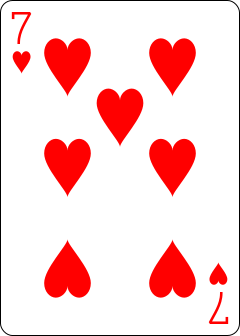
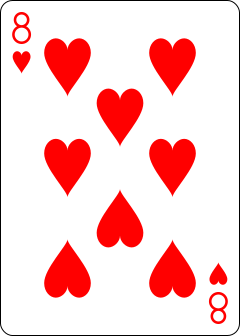
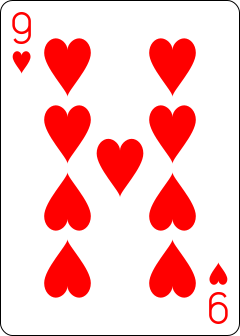
The opening sequence puzzle lays out three hearts mixed with a spade, a club and a diamond. Try reading only the hearts. The first sits on seven, the next on eight and the last on nine. Your eye travels past other cards to reach them, but their positions in the row have no bearing on whether they form a run. If you dealt the identical six onto a cloth and shuffled their places, the same three hearts would still answer the question.
Choose New hand and the problem looks different. There is a king of hearts within reach of a queen of spades. Put them side by side in your mind. Their ranks line up, yet the suit changes. Find the other king. Now the spades can support a run ending in the ace. Reading the answer from low to high means saying queen, king, ace. The exercise recognises that high ending as well as ace, two, three at the other end of the pack.
When you teach these racks to someone else, let them make the tempting choice first. Ask what the two kings have in common and what distinguishes them. Most learners see the matching letter before the small mark below it. Bringing their attention back to that mark gives them a method they can apply on the next deal, when the difference might belong to two nines rather than two kings.
Turn three picks into an explanation
A correct result confirms that the selected group meets the current rule. For a more demanding test, cover the status message and explain the result in a sentence of your own. Say which feature stayed constant across all three cards and which feature changed. In a pure sequence the suit stays constant while rank advances by steps of one. In a set the rank stays constant while each suit occurs only once. You can give both explanations without counting any penalty points.
An incorrect result is particularly useful when two of the three cards clearly belong together. Leave those two in mind and inspect the third. Perhaps you read a red diamond as a heart. Perhaps you jumped from ten straight to queen. Instead of changing all three, describe the card that would repair this specific attempt. Then return to the rack and see whether that exact card was there all along. If it was elsewhere, you have isolated the mistake to one choice.
Record a puzzle on a piece of paper if you want to return to it later. Six short card names and the title of the selected mode are enough. Draw a ring around the three you originally chose. The next day you can reconstruct both the problem and your first answer with an ordinary pack. It is often easier to see a skipped rank in that small diagram than to remember why the feedback surprised you.
Aces at the ends of sequences
The third pure sequence rack contains the ace, two and three of diamonds. Read it from the ace forwards. Each move takes one step along the rank order, and your finger never has to leave diamonds. Compare that with the high spade run in the previous rack. There the ace sits at the far end, immediately above the king. Being able to use it at either end gives you two distinct possibilities when searching for runs in future hands.
Now test an imaginary selection consisting of king, ace and two of clubs. In order to pass from king to two, you would have to travel through the end of the rank order and emerge at the beginning. The exercise does not allow that wrap. Mentally put the ace down at one end of a straight line of cards. It can be low or high for the group you are considering. It cannot take up both positions in that single group.
For the fourth sequence deal, set aside any thought of aces. The nine, ten and jack of clubs use the same step size as three low numbered cards. Say the ranks aloud without stopping when the numbers turn into a letter. If you keep looking for a jack beside a queen, the ten can be surprisingly easy to overlook. This deal asks you to cross the boundary between spot cards and court cards while remaining in one suit.
Find a set without reading the colours first
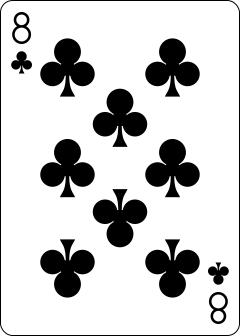
On the opening set rack, start with the nine of clubs. There is a nine of diamonds and also a nine of hearts. Clubs, diamonds and hearts give each nine a distinct identity. Two of these cards are red, which is entirely fine. A shortcut such as choosing three differently coloured cards would make the exercise impossible with an ordinary pack. Colours narrow the search, but only the rank and the individual suit marks settle the question.
The later racks let you check whether you have accidentally learned to hunt for just one picture. One uses aces, another fives and another queens. On the queen rack, say the name of every queen before touching any of them. A nearby king shares the court-card appearance and the big letter in the corner. Counting all picture cards together is too rough a test. Make the rank exact, then make sure the three suits you named are different.
A physical pack offers a simple extension. Take the three queens that solve the exercise and find the fourth suit. Deal one queen face down, show the other three and invite a friend to identify the hidden suit. They can answer without seeing the face-down card. It is a nice check that they were attending to suit as well as rank. When you return to the screen, remember that the task here asks for three picks even though your pack contains a fourth queen.
Give the printed joker an exact address
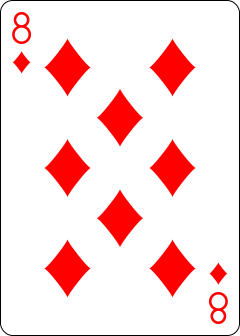
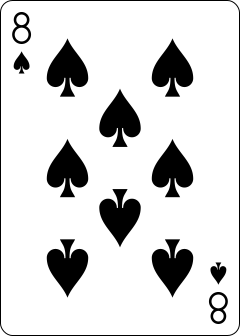
In the first joker exercise the useful spades are the six and the eight. Imagine writing a rank and a suit on a slip of paper and laying it over the joker. Seven of spades is the address that fits between these two. A seven of clubs would advance the numbers while changing the family halfway along the row. You are looking for a specific replacement that makes the full sequence legal, even though the printed face by itself has no suit.
Another rack brings the queen of hearts together with the ace of hearts. Think again about the high end of a run. The missing king of hearts takes one step from queen and leaves one step to ace. The joker can stand in that position. The last rack uses ten and queen of clubs with the jack missing. Write the two solutions underneath each other. The joker performs an identical job in both lines even though the represented rank and suit have changed.
For a harder home exercise, place four and eight of a single suit beside one printed joker. Try to fit them inside any three consecutive ranks. You always run out of space. One substitute can cover one position but it cannot shorten the distance between two natural cards. This is why simply finding two cards with matching marks is only half the job in joker mode. You still need to read the interval between them before committing your third pick.
Track the reason a deal felt difficult
Use a short note after each rack if you are trying to improve one particular skill. Write down the card that first caught your attention and the card that actually completed the answer. Sometimes those names match. Sometimes the conspicuous king was a distraction and an ordinary eight quietly finished the group. After four deals you will have a more specific account of the difficulty than a total of right and wrong answers would give you.
Try switching the person who explains the puzzle. One person reads the instruction aloud and keeps their hands off the phone. The other points to the proposed answer and justifies all three places. The reader can challenge one detail, for instance by asking what would happen if the middle suit changed. Swap roles at the next rack. This works particularly well when a confident player recognises the solution instantly and a newer player wants to know what they actually looked at first.
Carry one solved group into a larger hand
Finish a practice session by dealing the three cards of your favourite solution onto a table and adding ten other cards from a pack. Keep the solved group in clear view for a moment. Then mix all thirteen together and try to recover it. There will be much more information around it now. Look first for the feature you learned to recognise in the smaller rack. This makes the jump from a six-card puzzle to a full Indian hand feel much less abrupt.
Once you find that group again, investigate the remaining ten on their own terms. A solved exercise promises exactly one small success. It does not promise that the other cards already make a valid declaration. Open the thirteen-card lesson if you want to test the finished layout, or return to the sequences page when one of the leftover cards appears to fit two groups. The trainer is available again whenever you want to isolate that single decision and practise it with a smaller rack.
Frequently asked questions
Can I play rummy online for free?
Yes. Open one of the three exercise tabs and deal a rack. You can check your answer and move through the other racks without buying chips, making a deposit or registering.
How to play rummy alone?
Deal six cards face up. Plant a run among them, turn away while you mix their positions, then identify the three by suit and rank. For a ready-made version, try the pure sequence rack above.
How can I get better at rummy?
Explain one near miss each time you play. Identify the particular rank or suit that spoiled the group, name the replacement you needed, then locate it in the rack if it is there.