
Who is Ashok Bansal?
Ashok Bansal is part of the name of this free rummy card room. Here you can identify the site, find the practice table and check what belongs to this product.
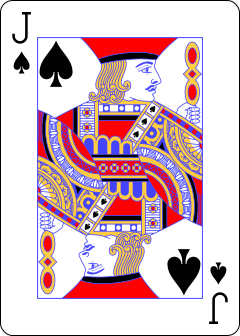
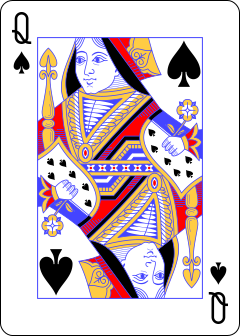
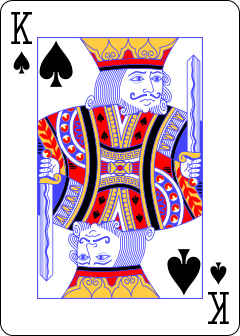
Who is Ashok Bansal?
Here, Ashok Bansal is part of the name Ashok Bansal Rummy, a place to practise Indian rummy combinations in your browser. If you came looking for a particular person, our site has no verified biography identifying that individual. Sharing a name with the site establishes no connection to its cards, its design or a casino business.
For a player, the easiest way to recognise this site is by what you can do on it. Open the practice table, look at the cards and work out which ones belong together. The exercises work with ranks, suits and jokers. You can also follow an example on paper or with a pack of cards before trying the same idea on screen.
The Ashok Bansal Rummy name and web address
Our name is Ashok Bansal Rummy and our web address is ashokbansalrummy.com. The final word matters when you read a message or save a bookmark. For example, a link labelled “Ashok Bansal” can lead to any address its sender chooses. Open the browser’s address bar to read the domain itself.
Suppose a friend wants to see the same example you saw. Sharing the page address for sequences takes them directly to those combinations. A screenshot of the site name gives them less information, especially if they search for it later and find several different results. The practice table, Indian rummy rules and Hindi instructions all sit under the same domain.
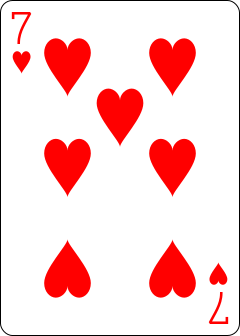
Ashok Bansal Casino and Crore Bet
Ashok Bansal Casino and Crore Bet are names that people ask about alongside Ashok Bansal. We have no verified ownership or endorsement tying this rummy site to either name. A portrait beside a logo or a caption saying “owner” gives no reliable answer about the person or company legally responsible for another service.
If your question concerns a transaction, the identity that matters is the provider named on the original transaction or account record. This practice table has no payment accounts, cashier or withdrawal history. A request to release money or activate a balance is outside anything that happens here.
What you can try here
Try the practice table when you want to recognise a meld, the rummy term for a valid group of cards. A run of consecutive hearts and a set of equal ranks in different suits give you two distinct problems to solve. Learning to tell them apart makes a full thirteen-card hand much easier to read.
Choose the Indian rummy rules if the order of a turn is new to you. Choose sequences if you are already comfortable picking up and discarding but still wonder whether a joker makes a group impure. The Hindi page uses the words चाल, पत्ता and क्रम and walks through a complete example with the suit symbols beside the cards.
You can open the pages on a phone without installing an APK. Practice also works without creating an account or paying for a turn. If you simply want another look at an example, save that particular page in your browser.
Recognising the Ashok Bansal lobby
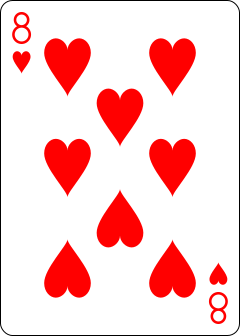
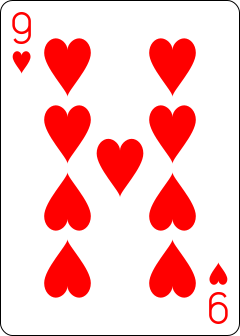
The first screen brings together the name of this card room, a presenter holding a wrapped gift and three hearts on a green table. The seven, eight and nine form a playable example: one suit and three consecutive ranks. You can use that example to recognise a pure sequence before you ever open a rules page. The gift belongs to the artwork. Details of the welcome offer are available through the button below the headline, where you can read its status separately from the illustration.
The square green and gold mark includes the word Casino. The site heading adds Rummy, the name used for this card room and its exercises. On a phone the small mark also appears in the strip above the main menu. If you are trying to return to a particular lesson, the small icon can help you spot the tab, but the page heading tells you which lesson you have open. A bookmark for the points page takes you back to scoring. A bookmark for the lobby takes you back to the collection.
Choose a first visit that fits your question
A first visit can be as short as one decision. If you know what a suit is but have never grouped a rummy hand, try the “Finish the run” challenge on the lobby page. Look at the two hearts and decide what comes next. Choosing a nine of another suit lets you see why the rank alone is insufficient. Choosing the nine of hearts completes the run. The feedback appears within the challenge, so you can compare your reasoning with the explanation without leaving the lobby.
If you already know how to build a run, the practice table is a more useful starting point. It also covers equal ranks in different suits and missing cards replaced by a joker. Someone who wants the order of an actual turn should begin with the Indian rules page instead. Selecting three cards in an exercise teaches recognition. It does not walk you through drawing a fourteenth card, deciding which card to discard and returning to a hand of thirteen. That distinction helps two visitors use the same lobby for different purposes.
What the welcome button opens
The welcome figure in the header is a concept offer of five hundred per cent on a first deposit plus five hundred free spins. The button in the main banner opens its details on the page. There is no deposit or redemption facility in this preview. Reading the offer does not change the number of hands in the trainer or add spins to a local game. You can return to the lobby and start an exercise directly, whether or not you have opened the offer details.
Consider two people looking at the same phone. One wants to know what the headline refers to; the other just wants to play a card puzzle. The first can choose Get bonus to read the status. The second can use Practise a hand and select three cards straight away. They do not need to complete the first action before the second. The separate buttons answer separate questions. Neither a gold button nor a gift in the presenter’s hands establishes that money or a prize is available to collect.
Reading the slot shelves
The casino slots section names individual games alongside the studios that developed them. Sweet Bonanza appears with Pragmatic Play, and Book of Dead appears with Play’n GO. Those names identify which game each cover represents. A visitor looking for a particular title can use both lines to distinguish it from similarly named games or later releases. The availability shown on the card tells you whether the lobby currently offers an onward action. Recognising the cover by itself does not establish an active provider connection.
A separate shelf contains the free mini-games built for this site. Choose Spin to change the three symbols in a row. The result describes that spin, including whether all three symbols matched. There is no stake to choose and the result does not affect a balance. That simple mechanic is handy for telling the two shelves apart on a small screen. A named studio game has its own cover and studio credit. A mini-game shows a working row of reels and a local spin control right on its card.
Following the app strip or staying in the browser
The Install button is in the app strip above the site navigation. Selecting it opens the supplied app destination in the same tab. If you want to keep a particular example handy, you can bookmark its address first. Selecting the close button on the strip hides it for the tab session when session storage is available. The navigation below the strip still gives access to the rummy pages and the practice table. You can read and play the card exercises entirely in the browser.
It helps to identify the action you want before tapping. The site mark returns to the lobby, the menu lists destinations within the card room, and Install follows an external address. They are visually close together at the top of a phone but have different purposes. A reader trying to share a scoring example should copy the address of the points page rather than an address reached after selecting Install. That way a friend opens the example being discussed and can work through the same cards.
Use the English and Hindi rules together
The Hindi rules page works as a lesson in its own right. It introduces the suit signs, a turn from draw to discard and the checks to make before declaring. If two people use different words for the same combination, put an actual example between them. Write down seven, eight and nine of hearts. One player can explain the order in English while the other names the suit and the sequence in Hindi. They can then change the nine to a diamond and describe why the answer changes.
The diagrams and rank symbols give both players a common reference. Keep the distinction between an exercise and a full hand when translating a question. “Do these three cards belong together?” asks about a single group. “May I declare?” asks about every card and the required sequences. A learner can answer the first correctly and still need another group for the second. Use the rules lesson for that larger decision and return to the practice table when the difficulty is recognising a particular kind of group.
Revisit a hand and share a precise question
When a result surprises you, write down the name of the exercise and the rank and suit of each selected card. For example, “pure sequence, queen of spades, king of hearts, ace of spades” gives another player enough information to point out the mismatched king. A message saying that three picture cards were rejected leaves several possible explanations open. Including the suit makes it possible to check the hand even if the other person has already moved to a different round.
The address of the practice page opens the trainer. It does not encode your selected cards or a saved result. Sharing both the address and the hand description is therefore more useful than sharing the address alone. For a question about the name Ashok Bansal, identify the exact site or app you mean as well. A rule example from this card room can be checked against its visible lesson; a claim about the owner of a different service needs evidence about that particular service.
Frequently asked questions
Ashok Bansal kaun hai?
On this website the name appears in Ashok Bansal Rummy, our free card-practice brand. It does not identify a verified public figure or casino owner.
Who owns Ashok Bansal Casino?
We have no verified source identifying the owner of a separate casino by that name. The name on this rummy website cannot establish ownership of another business.
Is Ashok Bansal Crore Bet real or fake?
We cannot verify a separate Crore Bet service from a name alone. This site offers browser-based rummy practice and provides no Crore Bet accounts, deposits or withdrawals.
Who is Ashok Bansal of Crore Bet?
No verified record available to this site establishes that a particular person called Ashok Bansal runs Crore Bet. We make no personal endorsement claim.