


13-card Indian rummy
Ashok Bansal Rummy
Welcome bonus concept
500% + 500 free spins

Inside the lobby
All rummy games

Your first deal at Ashok Bansal Rummy
A good way into Ashok Bansal Rummy is to put one question to the cards. Can I pick out three that belong together? You can try that straight away at the practice table. The first deal fits on a phone screen. Touch the cards you want to keep and check the group. If you would rather see how those three fit into a game played around a table in India, open the thirteen-card lesson. The same small decision comes up there every time somebody draws.
Look for the suit marks before looking at the colour of the ink. Imagine arranging a six of diamonds, a seven of hearts and an eight of diamonds across your palm. From the other side of the room they might look like three neighbours dressed in red. Up close the middle one has a different mark. Replace it with the seven of diamonds and all three belong to one family. The pictures in the lessons are large enough to make that comparison suit by suit.
You can also come in with a particular problem from last night's game. Perhaps two friends gave different answers about an ace, or someone said you had to show a second sequence. The lobby separates Indian rummy from gin, and scoring from grouping, so you can go straight to the decision you remember. A round at home can use an agreed house rule. When comparing it with an example here, first make sure everyone is talking about the same kind of rummy.
| Card room | Ashok Bansal Rummy |
|---|---|
| Main game | Indian rummy · 13 cards |
| Playable exercises | 12 hands across 3 group types |
| Access | Free browser practice · no account needed |
Welcome bonus details
The concept offer is a 500% first-deposit bonus plus 500 free spins. Deposits and redemption are unavailable in this preview.
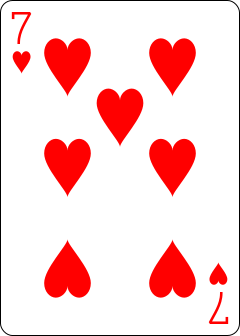
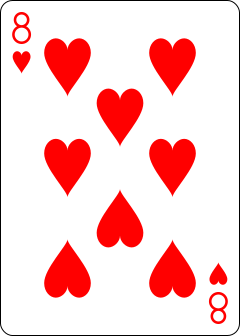
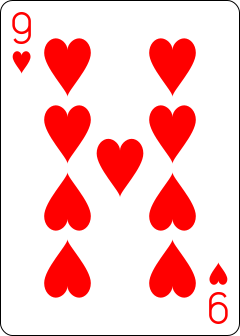
Try the missing heart
On the short challenge you see seven and eight, both hearts. Before touching a button, say what the empty position means. It comes immediately after the eight. An answer therefore has to advance exactly one rank and carry the heart mark. If the choice includes another red nine, look at its corner carefully. The nine of diamonds would fit the number pattern on paper but would break the suit pattern on the table. Choose the nine of hearts to finish the displayed run.
There is an interesting question hiding in such a small example. What if the blank were on the other side? Six of hearts would do the job there. In a live hand you are generally free to move cards along your rack. Faced with seven and eight of hearts, you would welcome a six as readily as a nine. In the lobby challenge the position is fixed. Reading the exact question accounts for the difference between two reasonable answers and the single answer on the screen.
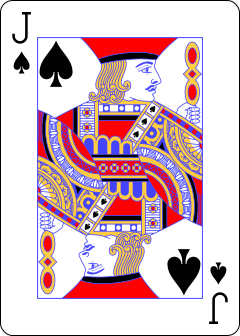
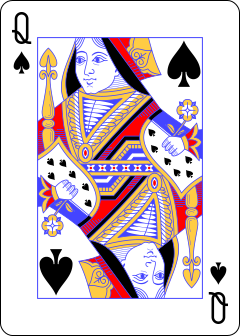
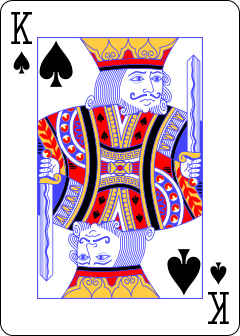
For another quick test, deal yourself three picture cards from an ordinary pack. A jack, a queen and a king provide a useful check because their ranks are printed as letters. Read the letters in order first. Now look at the three small suit marks. If one is different, turn just that card face down. You can name the exact replacement without looking through the pack. The illustration beside this lesson uses the same habit of checking each corner, even when the group seems obvious at first glance.
What changes when thirteen cards arrive
Picture an opening deal with the three, four and five of spades, the nine and ten of clubs, and several other cards still in your hand. Lay those five face up in two rows. The spades already give you one uninterrupted sequence. The clubs need a neighbour. If the remaining eight include a jack of clubs, bring it over now. Seeing two separate rows of three makes it much easier to decide what to do with the other seven cards.
Now suppose one of those seven is a five of clubs and you also hold the five of diamonds. You could borrow the five of spades to make three fives. Do it for a moment and count the finished rows again. The new set looks convincing in isolation, but you have opened a hole at the end of your spades. In a declaration each physical card belongs in one place. A useful rearrangement improves the whole hand, including the row you took a card from.
To follow this example on your own table, leave a little space between finished and unfinished groups. Resist picking them all up the instant somebody suggests another arrangement. Move one card at a time and say which row gained something and which row lost it. When it becomes awkward to keep the changes in your head, the lesson on sets and sequences gives shorter examples you can lay alongside the full deal. You can return to the same thirteen cards after checking a single disputed group.
Decide where a draw belongs
Think of a turn as a choice with a visible price. You hold the ten and queen of diamonds and there is a jack of diamonds on the discard pile. Taking it gives you a finished sequence you can point to. You will then need to release a card. Before picking up the jack, find a likely discard among your other cards. This second decision matters even when the first seems easy, particularly if two of the remaining cards form the beginning of another promising row.
Try the same turn when the visible card is a jack of spades instead. Its name sounds just as promising when somebody says it aloud. Once placed between the two diamonds it no longer fits. Perhaps it could join two other jacks in your hand. If it cannot, drawing from the stock lets you see one unknown card. You can compare the two choices honestly without making any prediction about which rank is waiting on top of the hidden pile.
After the turn, reconstruct what the next person can actually see. They saw you take the visible diamond and leave a different card. They did not see your two waiting diamonds. There are several explanations for that draw, including a set of jacks. In a practice discussion it helps to distinguish what the face-up pile showed from what the rest of the hand revealed only at the end. That distinction makes a replay of the deal much more informative than a guess about what another player must have held.
Casino slots
Free mini-games
Spin three reels for free. Match three symbols on the centre line. No stakes or cash prizes.
Royal Gems
Palace Cards
Choose a game from the lobby
For a family table where everyone receives thirteen cards, start in Indian rummy. Follow the example from the deal through the discard and into the grouping check. Keep the scoring page nearby if the disagreement is about what an unfinished hand costs. Two tables can use much the same groups while recording the result of a round differently. Settling how you will keep the score before you deal is considerably easier than reconstructing an agreement after a close finish.
If only two of you are playing and someone remembers knocking, the gin page is a better starting point. There the cards left outside melds have their own name, deadwood, and what remains in your hand helps determine how the round can end. Try describing your hand once in each game's terms. A choice that makes sense when reducing deadwood can still leave a thirteen-card Indian hand short of the sequences needed for a declaration. The number of players alone will not tell you which ending to use.
The casino shelf has a different purpose. Sweet Bonanza is presented under Pragmatic Play and Book of Dead under Play’n GO. Their cards identify the title and studio. Select a studio title to open the casino offer in the same tab. Further down you can spin the small browser reels and see the centre line settle. Those exercises run locally and award no cash prizes. If a friend asks where to practise forming a meld, direct them to the card table. The illustrations on the slot shelf will help them recognise when they have opened a different activity.
One-hand challenge
Finish the run
Which card follows these two hearts?
Bring a real pack to the lesson
Here is a two-person exercise that works well at a kitchen table. One person lays out a valid sequence of four diamonds. The other closes their eyes. Replace one card with a heart of the same rank, then invite them to find the change. Number order offers no clue. They have to notice the suit. For the next round keep all four suits the same and replace the middle card with a higher diamond. This time the marks agree and the ranks reveal the problem.
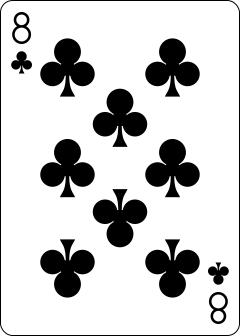
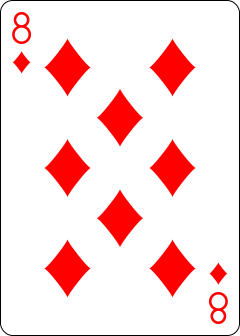
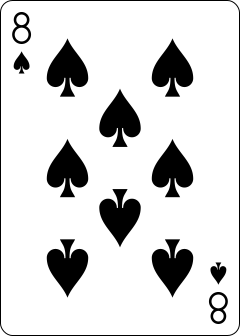
You can make the test harder without adding more cards. Put down the eight of each of three suits. Ask your partner to name a fourth card that would extend the group. There is exactly one unused suit to name. Ask next whether the nine of that suit would work. The instinct to keep counting upwards is useful for a sequence, yet it gets in the way here. A set asks a different question of the next card. The illustration of three eights makes a handy reference when a group of relatives is learning together.
Finally, let the person who found the mistakes deal a puzzle of their own. Ask them to put six cards face up, choose a grouping rule and secretly record one answer. If the other person finds a different valid group, check it on its merits. In a home-made puzzle there can be more than one solution even if the dealer intended only one. Accounting for an unexpected answer is excellent practice for the day two plausible arrangements compete for the same card in a larger hand.
Check a declaration from both ends
A useful last check begins at the left edge of your layout. Follow the first natural sequence aloud, using both rank and suit. At the right edge, examine whichever cards you placed last. They tend to receive less attention than the arrangement you spotted immediately after the deal. Look for the single stray heart in a row of diamonds, or the king that looks like the jack next to it when part of its corner is covered. Separate overlapping cards until you can see each index.
Next count how many cards belong to each completed group. Four, three, three and three account for a thirteen-card hand. That arithmetic is only an inventory. It cannot tell you by itself whether the first two groups satisfy the sequence requirement. A layout of four handsome sets might add up perfectly. Read the groups as well as the total. If a joker is doing a job, say which card it represents at that position and check whether your required natural run is present elsewhere.
Now reverse the inspection. Point to each of the original thirteen positions and identify the group that contains that card. This catches a common mistake in spoken explanations. Someone describes a fine run, describes an equally fine set, then discovers both descriptions included the very same queen. On an actual table you can move the queen. In a message to a friend it is easy to count it twice. Writing each card on its own scrap of paper makes even a discussion by phone surprisingly easy to follow.
Use the Hindi and English tables together
A mixed-language table often knows the game better than it knows the labels in a menu. When somebody asks rummy kaise khele, the Hindi lesson starts with the deal and carries the reader through an example. An English speaker can sit alongside and point to the actual suit while the other player reads. Agree on which symbol you mean before translating a whole sentence. The short word for the suit is usually enough to settle which physical card is under discussion.
One productive way to practise together is to take turns giving instructions without touching the cards. The first player asks for the next card in a run. The second has to choose it and explain why a tempting alternative would fail. Switch languages, then switch roles. If either person struggles to name a court card, turn it upright and read the corner. It is quite possible to understand the grouping rule and still reach for the wrong face when somebody speaks quickly across a noisy table.
For a question about this particular brand, open the Ashok Bansal page. For a question about playing in India, open the India section. They answer different questions from a lesson on the mechanics of a turn. Describing the move itself requires a hand of cards. Describing an offer requires stated terms and an identifiable status. The welcome panel identifies the displayed offer as a concept. Nobody needs to deposit, create an account or claim that offer to sit down at the free practice table.
Set yourself one task for the next deal
Before leaving the lobby, choose a skill you could demonstrate to somebody else in a minute. Perhaps you want to identify a gap between two cards even when their faces are upside down. Perhaps you want to explain why three kings with different suits make a set. Pick just one. Deal six cards, work on that question and check the result. Starting with a clear task gives you something more useful to remember than whether the last hand felt easy or difficult.
On the following deal, change the feature that mattered. If the first puzzle used a gap in the middle, put the missing card at the end. If you saw a set of low numbers, build one with face cards. If a joker completed your last run, try taking it away and naming a natural card that would restore it. These are small changes you can make with a pack while someone else reads the example on a phone. They make it harder to repeat the right answer purely from memory.
Finish by telling your partner what would make the chosen group fail. A change of colour alone might leave a set perfectly valid. Moving a card one place up in rank might spoil a set yet create a useful possibility in another row. The reasoning you can transfer to a fresh deal is the part worth keeping. Open the practice table for another short hand whenever you want a new arrangement, or take that question back to a full game with the people around your table.
Frequently asked questions
What does the Ashok Bansal welcome bonus include?
The displayed concept pairs a 500% first-deposit bonus with 500 free spins. This preview accepts no deposits or redemptions. Open Welcome bonus details to read the offer status.
How do I play rummy online?
For a first turn on this site, open the practice table, pick the pure sequence tab and find three neighbours in a single suit. Choose Check group to see how your selection fits the rule.
How many cards do you get in rummy?
Thirteen arrive in an Indian rummy deal. In a two-player game of gin each person receives ten. The browser rack holds six so that you can concentrate on choosing just one group.
Can we play rummy with friends?
At home, deal the physical cards and use the examples here to settle questions as they arise. On a shared phone you can also take turns finding groups. The practice table runs a solo exercise.
What is an Indian rummy game?
Players draw and discard while working towards a declaration covering thirteen cards. The finished layout needs two or more sequences, with at least one made naturally. The remaining cards can form further valid groups.
Are rummy and poker the same game?
A three-card sequence is one piece of a rummy hand. Poker assesses hands under a different ranking system. Knowing how to rank poker hands will not by itself settle whether a rummy declaration is complete.
How many people can play rummy?
Choose the variation first. Gin gives two opponents a ten-card hand each. Indian rummy can seat several people, depending on the decks and table rules. For the exercises here a single player is enough.